USD to INR: Comparing the Exchange Rates of 0.99 Dollars to Indian Rupees

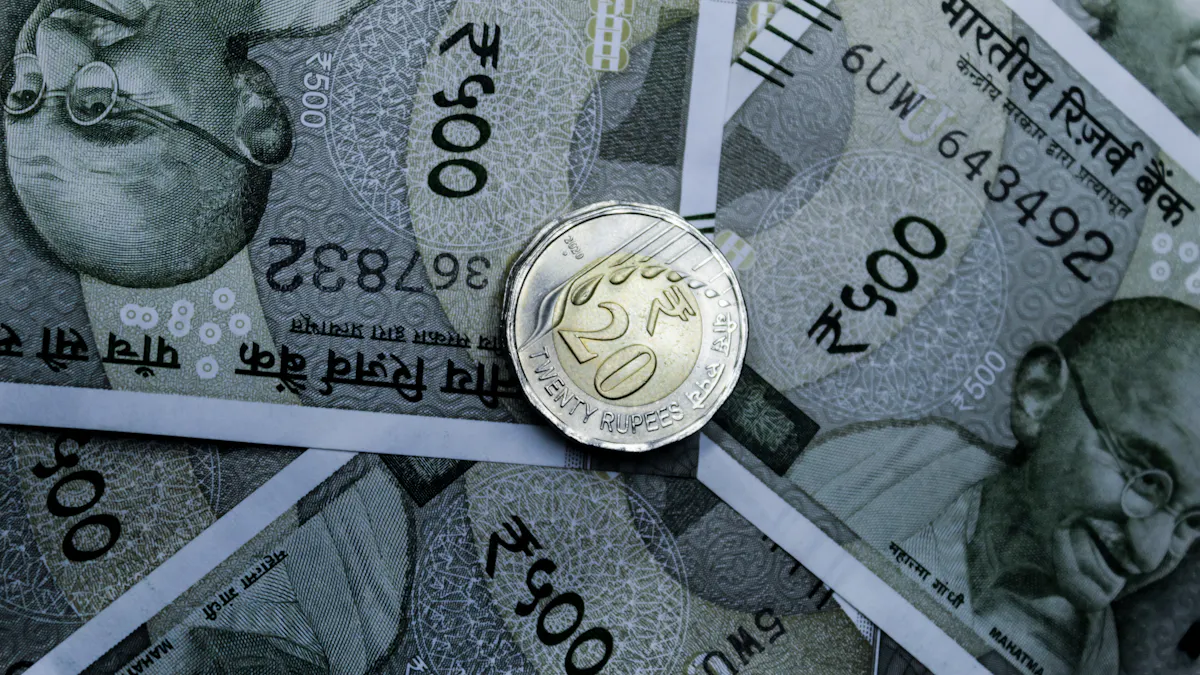
Understanding Currency Exchange
Currency exchange plays a pivotal role in the global economy, affecting various sectors and governments. USD to INR exchange rate is a crucial indicator influencing investor sentiment and economic stability. Over the past years, this rate has shown both stability and volatility, with notable fluctuations such as moving from 40.0 to 51.5 within a year.
The Basics of Currency Exchange
What is Currency Exchange?
Currency exchange refers to the process of converting one country's currency into another at an agreed-upon rate. This facilitates international trade and investment by enabling transactions between different nations.
Why Exchange Rates Matter
Exchange rates impact imports, exports, inflation, and overall economic health. A favorable exchange rate can boost a country's exports while a weaker one may increase import costs, affecting businesses and consumers alike.
Factors Influencing Exchange Rates
Economic Indicators
Economic factors like interest rates, inflation, and GDP growth influence exchange rates. Central banks use these indicators to make monetary policy decisions that can affect currency values.
Political Stability
Political events and stability also play a significant role in determining exchange rates. Uncertainty or unrest in a country can lead to fluctuations in its currency value.
How to Convert USD to Indian Rupee
When it comes to converting USD to Indian Rupee, there are convenient methods available that cater to different preferences and needs. Understanding the process of currency conversion is essential for travelers, investors, and businesses engaging in international transactions.
Convert Indian Rupee: Step-by-Step Guide
Using Online Converters
One of the simplest ways to convert USD to INR is by utilizing online currency converters. These tools provide real-time exchange rates, ensuring accuracy in your conversions. By entering the amount in US dollars, you can instantly see the equivalent value in Indian Rupees. Websites offering currency conversion services often update their rates regularly, reflecting market fluctuations.
Calculating Manually
For those who prefer a hands-on approach, manual calculation remains a viable option. To convert USD to INR manually, you can use the current exchange rate as a reference point. Multiply the amount in US dollars by the prevailing exchange rate to obtain the equivalent value in Indian Rupees. While this method may require more effort, it allows for a deeper understanding of how exchange rates impact monetary values.
Tips for Getting the Best Exchange Rate
When to Exchange Currency
Timing plays a crucial role in securing favorable exchange rates. Monitoring market trends and economic news can help you identify opportune moments to convert USD to INR. Factors such as geopolitical events and economic indicators influence currency values, impacting the exchange rate dynamics.
Where to Exchange Currency
Choosing the right platform or service provider for currency exchange is vital. Banks, authorized money changers, and online platforms offer varying exchange rates and fee structures. Comparing multiple options before converting USD to INR can help you find competitive rates and minimize transaction costs.
Comparing Recent Exchange Rates
In examining the historical trends of USD to INR exchange rates, it becomes evident that various global events have significantly influenced these fluctuations. One notable event was the Indian economic reforms and liberalization measures undertaken between 1991 and 2000. During this period, India transitioned from a fixed exchange rate system to a more flexible one, leading to an increase in the USD to INR rate from 35 to 45.
Another impactful event was the devaluation of the Indian Rupee in 1992, which resulted in an exchange rate of 1 USD to 25.92 INR. This devaluation marked a continuous decline in the value of the Indian currency against the US dollar, affecting trade and investment dynamics.
Moreover, the years 2008-2009 witnessed significant volatility in the USD-INR exchange rate, with fluctuations ranging from 40.0 to 51.5. These fluctuations were largely influenced by global economic conditions and market uncertainties during that period.
Looking ahead to future predictions, on April 10th, 2024, forecasts indicate that 1 USD will be equivalent to 83.185 INR, with expected low-high forecast rates falling between 83.3225 - 83.3825. These projections are based on current market trends and economic indicators shaping the currency exchange landscape.
Understanding these historical trends and future forecasts is essential for individuals and businesses engaged in international transactions involving Indian Rupees, providing insights into potential risks and opportunities associated with currency conversions.
Key Takeaways
Summary of Important Points
Analyzing Dollars to Rupees exchange rates involves understanding the impact of economic and political factors. Economic indicators like interest rates and GDP growth influence currency values, while political stability plays a significant role in rate fluctuations. Historical trends reveal how global events can shape exchange rate dynamics, highlighting the importance of monitoring market trends for informed decisions.
Forex traders utilize technical and fundamental analysis tools to predict market movements based on indicators, chart patterns, and macroeconomic events. Engaging in hedging practices can provide clarity on managing risks associated with currency fluctuations. The Rupee may face challenges in appreciating due to domestic issues and structural problems affecting its value against the Dollar.
How This Information Can Be Used
Understanding the nuances of USD to INR exchange rates is essential for individuals and businesses involved in international transactions. By staying informed about economic indicators, political events, and market trends, stakeholders can make strategic decisions regarding currency conversions. Utilizing hedging strategies based on thorough analysis can help mitigate risks associated with fluctuating exchange rates, ensuring financial stability in cross-border transactions.
See Also
Utilize Currency Converter Tool for Instant 4.99 USD to INR Conversion
Exploring the Reach of 220 INR: Converting to USD and More
Simple Steps to Convert 12 Crore INR to USD Easily
Comparison of Gold Price Factors: India vs USA
Analyzing Closing Prices: Kalyan Jewellers India Limited Past vs Present
