Mastering 22.15 Railway Time: A Comprehensive Guide to Train Schedules and Conversions

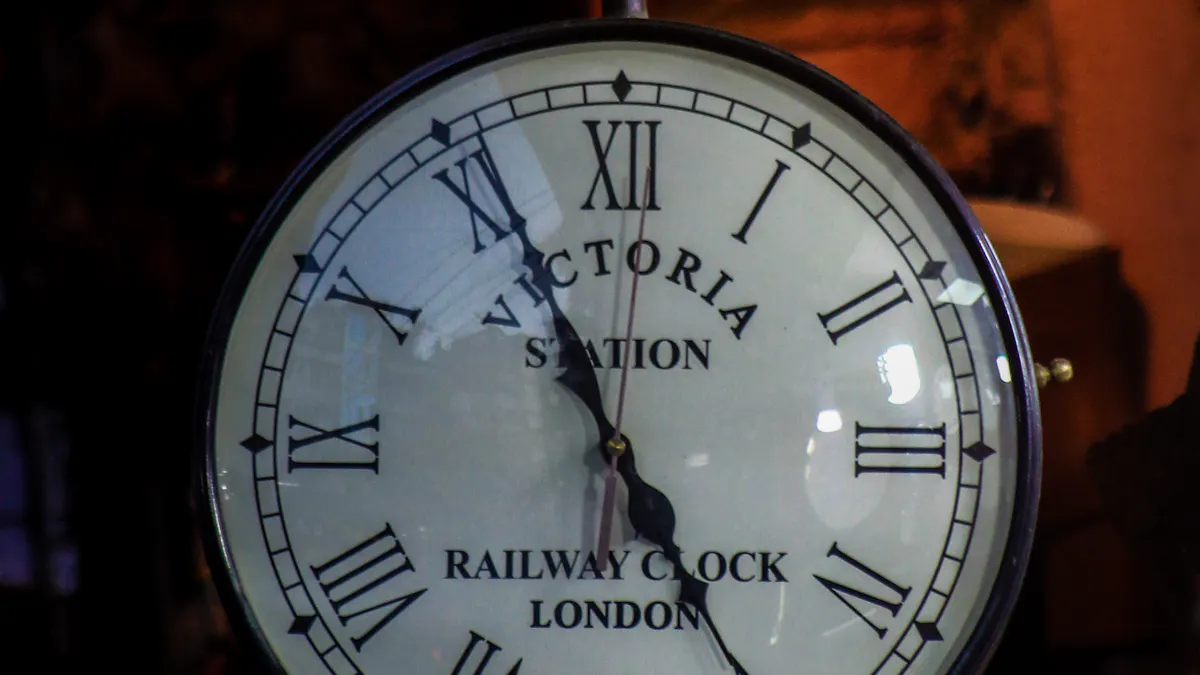
Understanding 22.15 Railway Time
In the realm of railway schedules, the 24-hour clock plays a pivotal role in ensuring precise timing for train departures and arrivals. Let's delve into why railways worldwide have adopted this timekeeping system and how 22:15 fits into this framework.
Introduction to the 24-hour Clock
The inception of standardized continental time zones in 1883 revolutionized scheduling efficiency by eliminating the need for local time adherence. This shift allowed railways to operate seamlessly across regions, marking a significant advancement in transportation logistics.
Railways embraced the 24-hour clock due to its clarity and uniformity. Unlike the 12-hour clock with AM and PM distinctions, the 24-hour format simplifies time representation, making it easier to interpret schedules accurately.
Why Railways Use the 24-hour Clock
The introduction of railway timetables in India around 1860 marked a milestone in synchronized train operations nationwide. By aligning schedules based on routes and halt stations, conflicts were minimized, ensuring smooth railway operations.
The Basics of 22:15 Railway Time
At 10:15 PM on a standard clock, you'll find the equivalent of 22:15 on a railway timetable. This notation signifies late evening hours, crucial for travelers planning their journeys or commuters tracking train arrivals.
The Significance of 22:15 in Daily Schedules
For instance, at Solapur Railway Station, 22:15 may represent the departure time of an express train heading towards Mumbai. Understanding this specific timing is vital for passengers to board trains promptly and reach their destinations punctually.
In essence, comprehending 22:15 railway time is key to navigating through intricate train schedules efficiently.
Navigating Railway Station Time Tables
When deciphering a railway station time table, it's essential to grasp the layout and details presented. Let's explore how to effectively interpret these schedules and locate the specific 22:15 railway time amidst the array of train departures and arrivals.
Reading the Railway Station Time Table
Identifying 22:15 Railway Time:
Look for the column displaying departure or arrival times.
Scan through the rows until you spot 22:15 listed next to a train service.
Pay attention to any platform or track number associated with this timing.
Pages to Find Specific Train Times:
Timetables are often organized alphabetically by train names.
Utilize the index at the beginning for quick reference to specific trains like AJAD HIND EXP, AMARKANTAKA EXP, or CHATISGARH EXP.
Seek out dedicated sections for popular routes such as JAIPUR EXP or TRIVENDRAM EXP.
Solapur Railway Station Time as a Case Study
Exploring Solapur Railway Station's time table can provide valuable insights into optimizing your travel plans efficiently.
How to Use the Time Table Effectively:
Begin by locating the date of interest at the top of the schedule.
Identify trains departing around 22:15 like FAST EXP, GEETANJALI EXP, or HIRAKUND EXP.
Note down relevant details like platform numbers and any scheduled stops along the route.
By mastering how to navigate railway station time tables, you can streamline your journey planning process and ensure you catch your desired train promptly.
Practical Guide to 22:15 Time Conversion
In the realm of time conversions, transitioning between the 24-hour clock and the standard 12-hour clock requires a systematic approach. Let's explore how to effortlessly convert 22:15 railway time to its conventional counterpart for seamless scheduling.
Using a Clock and Time Converter
Step-by-Step Guide to Convert 22:15 Time:
Begin by recognizing that 22:15 on a railway timetable corresponds to 10:15 PM in the 12-hour clock system.
To convert, subtract 12 hours from the given 24-hour time if it exceeds noon (12:00).
Apply this rule to 22:15, deducting 12 hours, resulting in 10:15 PM, denoting late evening hours.
22:15 Time Conversion Chart:
For quick reference, consult the following conversion chart:
| 24-Hour Format | 12-Hour Format |
|----------------|----------------|
| 22:00 | 10:00 PM |
| 22:05 | 10:05 PM |
| 22:10 | 10:10 PM |
| 22:15 | 10:15 PM |
| 22:20 | 10:20 PM |
Tips for Quick Conversion
Mental Shortcuts for 22:15 Conversion:
Utilize mental math tricks like subtracting 2 hours from the first digit of the given time (in this case, from 2 to get 0) and retaining the last two digits (15) as minutes.
Practice converting various times throughout the day to enhance your speed and accuracy in deciphering railway schedules efficiently.
Documenting Your Findings
When mastering time conversions, maintain a log of converted timings such as popular train departures like KURLA EXP, ensuring you're well-prepared for future travels.
By following these guidelines and utilizing practical strategies, you can swiftly navigate through different time formats with confidence and precision.
FAQs and Additional Information
Navigating railway time tables can sometimes pose challenges, leading to common queries regarding 22:15 railway time. Let's address some frequently asked questions to enhance your understanding of this unique time notation.
Common Questions About 22:15 Railway Time
How to Quickly Find 22:15 on a Railway Time Table
Locating 22:15 amidst a myriad of train schedules requires scanning the timetable for the specific time entry. Look for the departure or arrival column, then swiftly identify 22:15 listed next to your desired train service.
Adjusting to the 24-hour Clock in Daily Life
Transitioning from the standard 12-hour clock to the 24-hour format may seem daunting initially. However, with practice and exposure to railway schedules, adapting to interpreting times like 22:15 becomes seamless.
Additional Resources and Documents
For further insights into railway scheduling and time conversions, explore dedicated resources offering detailed information on deciphering military time, understanding global clock conventions, and mastering train timetables effectively.
See Also
Navigating Time Zones: Understanding IST to EST Conversion
Mastering Global Meetings: Converting 10 am IST to EST
Decoding Global Shoe Size Conversions: Unveiling Secrets
