The Economic Influence of 211 Billion Dollars in Rupees on India's Financial Landscape

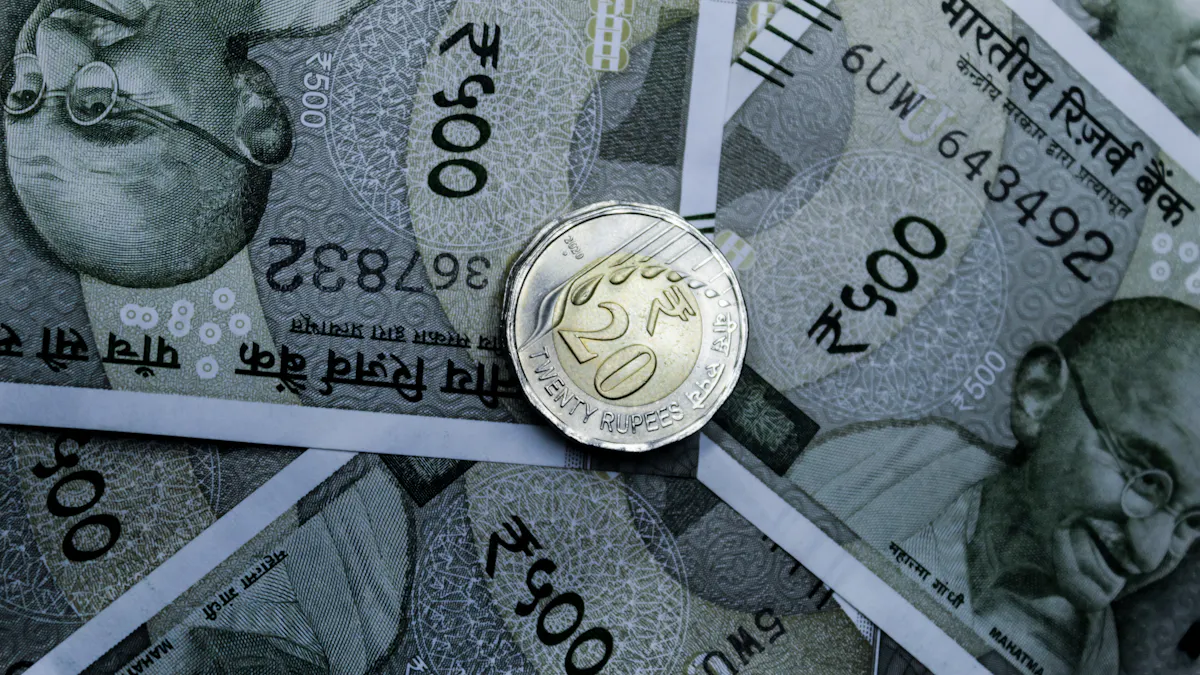
Understanding the Conversion from Dollars to Indian Rupees
When delving into the realm of currency conversion, it's essential to grasp the basics to comprehend how 211 billion dollars can impact the Indian financial landscape. A Currency Converter serves as a pivotal tool in this process, facilitating the seamless transition between different monetary units.
In the case of USD and INR, understanding their exchange rate dynamics is crucial. Over the last six months, there has been a slight fluctuation in the USD/INR rate, showing an increase of 0.18%. This means that 1 Indian Rupee is equivalent to approximately 0.01203 USD on average during this period.
To convert 211 billion dollars into Indian Rupees accurately, one must utilize a reliable Currency Converter that provides real-time data sourced from reputable sources. Historical data also plays a significant role in ensuring precision in conversions, considering factors influencing exchange rates over time.
The process of converting such a substantial amount involves more than just numerical calculations; it requires an understanding of the underlying mechanisms driving currency values. Real Exchange Rates come into play here, reflecting the relative prices of goods and services between two countries and impacting the actual purchasing power of currencies.
By comprehending these intricacies and utilizing advanced tools like Currency Converters that consider historical trends and real-time data, individuals can gain insights into how 211 billion dollars can translate into Indian Rupees with accuracy and relevance.
The Magnitude of 211 Billion Dollars in the Indian Context
When considering the vast sum of 211 billion dollars in the Indian context, it becomes imperative to put this figure into perspective. One way to gauge its significance is by comparing it to India's GDP, which stood at $10,079 billion in 2022. This stark comparison highlights the immense scale of 211 billion dollars and its potential impact on India's economic landscape.
In terms of what 211 billion dollars could buy in India, the possibilities are extensive. This amount could fuel substantial investments in various sectors, ranging from infrastructure development to technological advancements. For instance, it could fund major projects like building state-of-the-art transportation networks or establishing cutting-edge educational institutions across the country.
Comparing 211 billion dollars to other significant investments globally further underscores its magnitude. When juxtaposed with large-scale initiatives undertaken by different countries, such as China's Belt and Road Initiative or the European Union's Green Deal, it becomes evident that 211 billion dollars holds considerable financial weight.
Moreover, understanding how such a substantial sum aligns with India's trade deficit and surplus in services provides additional insights into its economic implications. While India faces a trade deficit in merchandise of $265 billion, it boasts a surplus in trade of services amounting to $143 billion. This juxtaposition sheds light on how 211 billion dollars could potentially influence India's overall trade balance dynamics.
By delving into these comparisons and scenarios, one can grasp the true magnitude of 211 billion dollars within the Indian context and envision the transformative possibilities it holds for the nation's economy.
Economic Implications of a 211 Billion Dollar Conversion
Exploring the impact of converting 211 billion dollars into Indian Rupees unveils significant implications for India's financial landscape. One crucial aspect affected by this conversion is India's Trade Balance, which plays a pivotal role in the country's economic stability and global competitiveness.
Impact on India's Trade Balance
The recent statements by Commerce and Industry Minister Piyush Goyal shed light on India's trade outlook, indicating that despite uncertainties, exports are projected to remain steady compared to the previous fiscal year. Goyal emphasized that government initiatives like production-linked incentives and a focus on high-quality goods and services are instrumental in mitigating the trade deficit.
Furthermore, India's ongoing efforts to establish trade agreements with key partners such as the UK, Oman, and the European Free Trade Association (EFTA) bloc signal a positive trajectory towards economic integration with the global market. Reports from the Global Trade Research Initiative highlight how these agreements reflect India's commitment to trade liberalization and fostering economic ties worldwide.
Influence on the Indian Economy
The evolution of India's trade policy from protectionism post-independence to a more liberalized approach underscores the country's transition towards greater global economic integration. Challenges persist, including enhancing infrastructure and diversifying trade relations, as highlighted in historical shifts within India’s trade landscape.
Embracing globalization can yield substantial benefits for India’s economy by fostering growth, improving living standards, and enhancing overall efficiency and competitiveness. As India navigates these complexities, leveraging opportunities for international trade can propel economic development while addressing infrastructural needs critical for sustained progress.
Defense Production and Government Policies
In parallel, the conversion of 211 billion dollars holds implications for defense production in India. The allocation of such substantial funds can bolster private companies engaged in defense manufacturing, aligning with government policies aimed at enhancing domestic defense capabilities. This strategic investment underscores a broader commitment to strengthening national security infrastructure through indigenous production capacities.
Long-term Economic Effects
Looking ahead, the long-term effects of converting 211 billion dollars into Indian Rupees extend beyond immediate transactions. This magnitude of capital infusion has the potential to stimulate various sectors of the Indian economy, driving innovation, job creation, and sustainable growth trajectories. By strategically deploying these resources in alignment with national priorities and economic strategies, India can harness this financial influx to propel long-term prosperity and resilience.
The Role of Currency Converters and Real Exchange Rates
In the realm of currency conversion, Currency Converters play a pivotal role in facilitating seamless transactions across different monetary units. Platforms like TransferWise and XE provide real-time exchange rates for over 60 currencies, ensuring users have access to accurate and up-to-date information. These tools enable individuals to convert USD to INR and vice versa with ease, offering historical charts and analysis for comprehensive insights into currency trends.
Understanding the distinction between nominal and real exchange rates is crucial. While nominal rates reflect current market values, real rates consider inflation adjustments, providing a more accurate representation of purchasing power. This distinction holds significant implications for trade and investment decisions, guiding stakeholders in navigating fluctuating currency values effectively.
Historical currency converters also serve as valuable resources for businesses, investors, and travelers alike. By tracking currency trends and analyzing past exchange rates, users can make informed financial decisions and plan budgets strategically. Additionally, platforms like Shopify Currency Converter Plus offer tailored features for international stores, enhancing user experience and promoting seamless transactions on a global scale.
See Also
Exploring the Potential of 220 INR: Converting to USD
Predicting a 9% Increase in India's BSE Index for 2024
Could 2024 Be a Record Year for the Indian Stock Market?
