Accurately Convert 1.7 Million Dollars to Indian Rupees Now

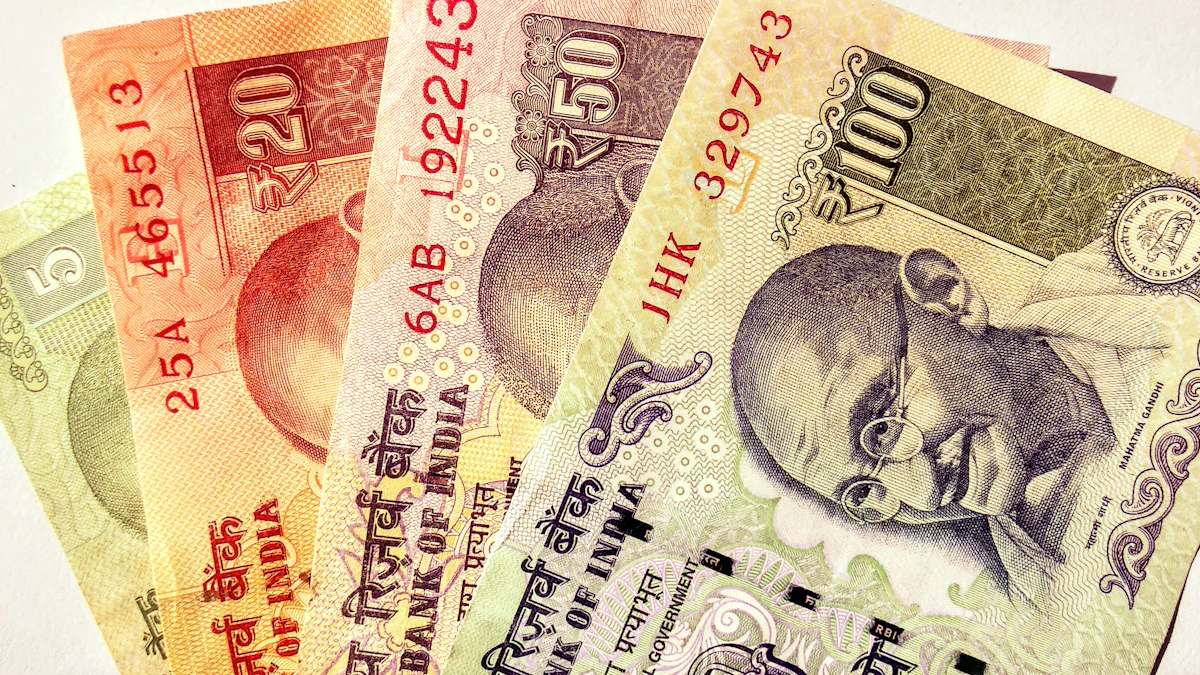
Understanding the Basics of Currency Conversion
When it comes to currency conversion, it's essential to grasp the fundamentals before delving into specifics like converting 1.7 million dollars to Indian rupees.
What is Currency Conversion?
Currency conversion is the process of exchanging one country's currency for another, allowing international trade and travel to function smoothly. The exchange rate plays a crucial role in determining how much of one currency you can get in exchange for another.
The definition of currency conversion lies in its significance for global transactions. It enables businesses, travelers, and governments to engage in cross-border activities efficiently. Understanding this process is key to navigating the world of finance seamlessly.
The Dollar and Indian Rupee in Focus
Let's shift our focus to two significant currencies: the USD (United States Dollar) and the INR (Indian Rupee). The USD holds a prominent position as the world's primary reserve currency, widely used in international trade and finance.
On the other hand, the INR represents India's official currency, reflecting the country's economic strength and stability. Insights into these currencies provide valuable context when considering conversions between them.
Step-by-Step Guide to Convert 1.7 Million Dollars to Indian Rupees
Convert Indian Rupee: Knowing the Current Exchange Rate
To accurately convert 1.7 million dollars to Indian rupees, you must first be aware of the current exchange rate between the USD and INR. Reliable sources for exchange rates can be found on platforms like FXStreet or through financial news outlets that provide real-time updates on currency values.
Once you have access to the latest exchange rate, calculating the conversion is a straightforward process. Simply multiply the amount in dollars by the current exchange rate to determine the equivalent value in Indian rupees. This step ensures that you get an accurate representation of how much your dollars are worth in INR.
Tools and Apps to Help with Conversion
In today's digital age, numerous tools and apps are available to assist with currency conversions. Popular options include:
Currency Converter Plus: This user-friendly app offers AccuRate™ for precise global exchange rates, historic charts, and a built-in calculator for quick comparisons while traveling.
My Currency Converter & Rates: A simple yet powerful tool providing up-to-date exchange rates for over 160 currencies, ideal for international travelers.
Xe Currency and Money Transfers: Known for its blue-themed interface, this app is valuable for quick currency conversions without extensive money transfer features.
RateX: An all-in-one converter app designed to track global foreign currency exchange rates efficiently.
These apps not only offer convenience but also ensure that you stay informed about fluctuating exchange rates, empowering you to make informed decisions when converting currencies.
Factors Influencing the Dollar to Indian Rupee Conversion Rate
When examining the USD to INR exchange rate, various factors come into play, influencing the conversion dynamics between these two currencies.
Economic Indicators
Inflation Rates
One significant economic indicator impacting the Dollar to Indian Rupee exchange rate is inflation. For instance, when India experiences higher inflation rates compared to the United States, it can lead to a depreciation of the INR against the USD. This disparity in inflation levels affects the purchasing power of each currency and subsequently influences their exchange rate relationship.
Interest Rates
Another crucial factor affecting currency conversion is interest rates set by central banks like the Reserve Bank of India (RBI) and the Federal Reserve in the United States. An increase in interest rates by one country's central bank relative to another can attract foreign investors seeking higher returns on their investments. This influx of capital can strengthen the local currency, appreciating it against other currencies like the USD, thereby impacting the exchange rate.
Political Stability and Economic Performance
Impact of Political Events
Political stability plays a pivotal role in determining how investors perceive a country's economic prospects. Any political unrest or uncertainty in India can lead to fluctuations in the value of the Indian Rupee, affecting its exchange rate with the Dollar. External events such as trade agreements, geopolitical tensions, or elections can also influence investor sentiment and impact currency valuations.
Economic Growth and Its Effects
The economic performance of a country significantly impacts its currency's strength. Robust economic growth in India can attract foreign investment and bolster confidence in the INR, potentially leading to an appreciation against major currencies like the USD. Conversely, economic downturns or recessions may weaken investor confidence, resulting in depreciation of the local currency relative to others.
Final Thoughts
In reflecting on the intricacies of currency conversion and the dynamics between the USD and INR, it becomes evident that the exchange rate is subject to continuous fluctuations. The history of the USD to INR exchange rate reveals a story of volatility, influenced by a myriad of factors shaping global economics.
The journey of the Indian rupee (INR) against the US dollar (USD) mirrors India's economic evolution over time. As one of the most traded currencies globally, the USD serves as a benchmark for evaluating currency strength, including the INR. This interplay highlights how economic developments impact currency valuations and exchange rates.
Staying informed about currency trends is crucial for individuals and businesses engaging in international transactions. By monitoring market indicators, political events, and economic performances, one can navigate currency conversions more effectively and make informed decisions.
As you delve into the world of currency exchange, remember that knowledge empowers you to understand and adapt to the ever-changing landscape of global finance.
See Also
Simple Steps to Convert 12 Crore INR to USD
Beyond Converting 220 Indian Rupees to USD
Instantly Convert 4.99 USD to INR with Tool
